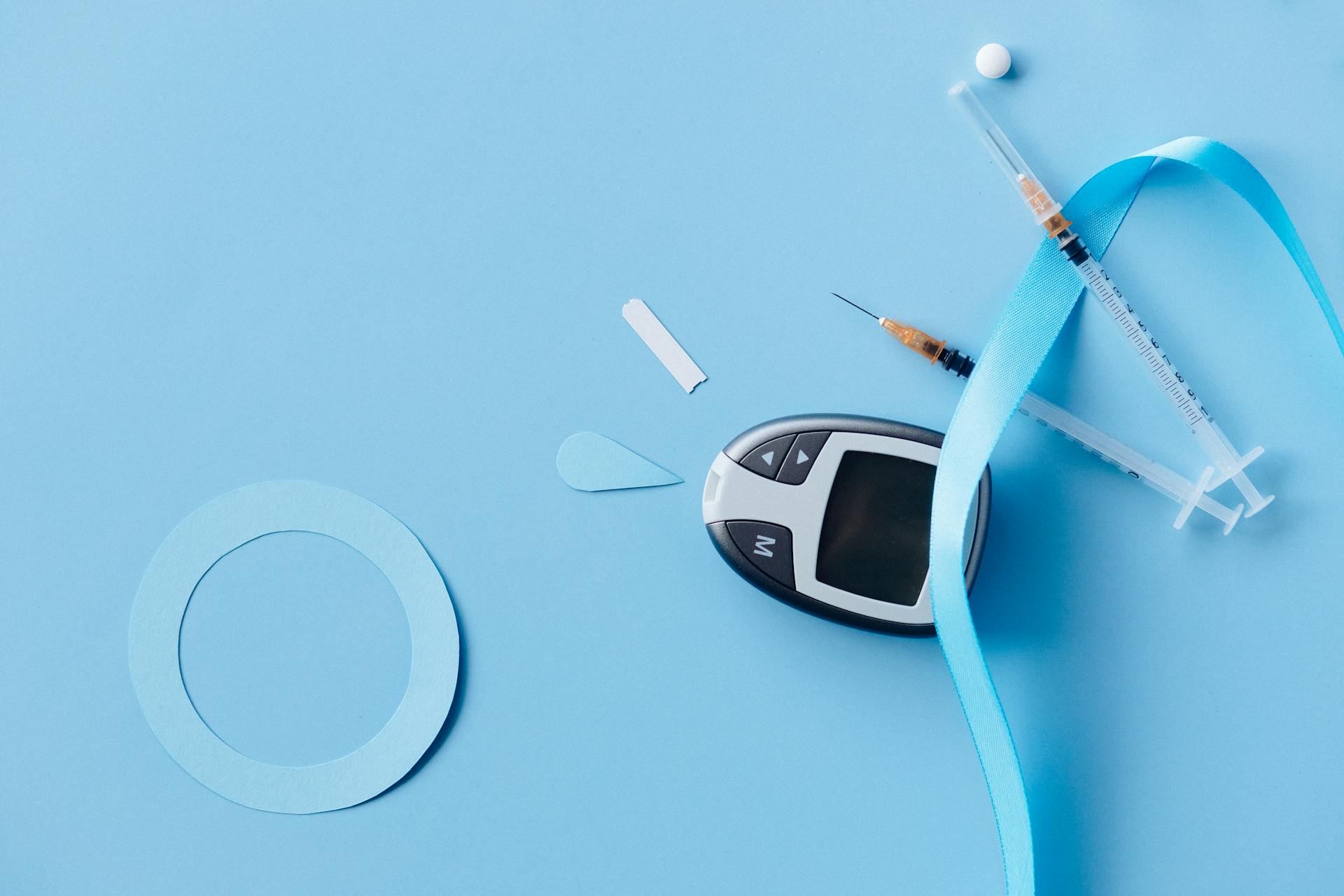
Type 1 diabetes is a chronic condition where the immune system attacks insulin-producing cells in the pancreas. This autoimmune reaction prevents the body from producing insulin, essential for regulating blood sugar levels. Understanding Type 1 diabetes is crucial for effective management and improving the quality of life for those affected.
Causes of Type 1 Diabetes
While the exact cause of Type 1 diabetes remains unclear, it’s known to result from a combination of genetic and environmental factors. These elements work together to trigger the immune system’s attack on the pancreas.
Autoimmune reaction
The immune system mistakenly attacks and destroys insulin-producing beta cells in the pancreas, leading to insulin deficiency.
Genetic predisposition
Individuals with certain genetic markers have a higher risk of developing Type 1 diabetes. Research continues to identify the specific genes involved.
Environmental triggers
Viruses and other environmental factors may initiate the autoimmune process that destroys beta cells. Scientists are investigating which factors are most influential.
Early diet influences
Some studies suggest that dietary factors, such as vitamin D intake, breastfeeding, and early exposure to certain foods, may affect Type 1 diabetes risk.
Risk Factors
Understanding the risk factors for Type 1 diabetes can help identify individuals at higher risk and foster early detection and management.
- Family history: A family history of Type 1 diabetes increases the risk, indicating a strong genetic component to the disease.
- Genetic markers: Specific genes are associated with an increased risk of Type 1 diabetes. Genetic testing can help identify individuals at higher risk.
- Geographical factors: Incidence rates vary by geographic location, suggesting environmental factors also play a role. Countries farther from the equator have higher rates of Type 1 diabetes.
- Age: Type 1 diabetes is most commonly diagnosed in children, adolescents, and young adults, but it can occur at any age. Peak periods of diagnosis are observed in these age groups, particularly during puberty.
Symptoms and Diagnosis
Symptoms
Recognising the symptoms of Type 1 diabetes is crucial for early diagnosis and treatment, which can significantly improve management outcomes.
Increased thirst and urination
High blood sugar levels cause the body to lose fluid, leading to dehydration and a significant increase in thirst and urination frequency.
Extreme hunger
Insulin deficiency prevents glucose from entering cells, leading to persistent hunger despite eating.
Weight loss
Despite eating more, individuals may lose weight as the body breaks down muscle and fat for energy due to the inability to use glucose properly.
Fatigue
Energy deprivation makes individuals feel tired and lethargic, impacting daily activities and overall well-being.
Blurred vision
High blood sugar can affect the eyes’ ability to focus, leading to temporary blurred vision, a symptom that should prompt immediate medical evaluation.
Mood changes
Fluctuations in blood sugar levels can also affect mood, leading to irritability or unexplained changes in behaviour.
Diagnosis
Diagnosing Type 1 diabetes efficiently requires a combination of symptom review, blood tests, and an assessment for autoantibodies, focusing on the most relevant and widely used diagnostic steps:
Symptom Review and Medical History:
- Evaluate symptoms such as increased thirst, frequent urination, unexplained weight loss, and fatigue.
- Assess family history of diabetes or autoimmune diseases to gauge risk.
Blood Sugar Tests:
- Random Blood Sugar Test: Measures blood sugar at any time, with levels of 200 mg/dL or higher suggesting diabetes.
- Fasting Blood Sugar Test: Conducted after an overnight fast, with levels of 126 mg/dL or higher on two tests confirming diabetes.
- A1C Test: Provides an average blood sugar level over 2 to 3 months, with 6.5% or higher on two tests indicating diabetes.
Autoantibody Tests:
Check for autoantibodies unique to Type 1 diabetes, confirming its autoimmune nature.
C-Peptide Test:
Measures how much insulin the body is producing. Low levels indicate Type 1 diabetes due to minimal or no insulin production.
Treatment and Management of Type 1 Diabetes
Managing Type 1 diabetes requires a comprehensive approach involving insulin therapy, diet, exercise, and regular monitoring of blood sugar levels.
Insulin therapy
Insulin injections or pump therapy are necessary for all individuals with Type 1 diabetes, as their bodies cannot produce insulin. The type and dosage of insulin are tailored to each individual’s needs.
Dietary management
A well-balanced diet, tailored to individual needs and monitored by a registered dietitian, can help control blood sugar levels. Carbohydrate counting is a key strategy for matching insulin doses to food intake.
Exercise
Regular physical activity is essential for managing blood sugar levels, improving insulin sensitivity, and supporting overall health. An exercise plan should be developed in consultation with healthcare providers.
Continuous glucose monitoring (CGM) and frequent blood sugar testing
These tools are crucial for managing blood sugar levels, allowing for real-time adjustments to treatment plans.
Advanced carbohydrate counting
This involves more precise adjustment of insulin doses based on the carbohydrate content of meals, improving blood sugar control.
Can I prevent Type 1 Diabetes?
While Type 1 diabetes cannot be prevented, adopting healthy lifestyle habits can help manage the condition and enhance overall well-being. Adopting a balanced diet rich in fruits, vegetables, whole grains, and lean proteins, alongside engaging in regular physical activity, is fundamental in managing blood sugar levels, improving general health, and reducing the risk of cardiovascular disease.
Effective stress management through techniques like meditation, yoga, and mindfulness is crucial in preventing blood sugar fluctuations. Additionally, ensuring consistent and adequate sleep is essential for blood sugar regulation and overall well-being, emphasising the importance of a holistic approach to managing Type 1 diabetes.
Complications of Type 1 Diabetes
Without proper management, Type 1 diabetes can lead to serious, life-threatening complications affecting various organs and systems, namely:
Cardiovascular complications
Diabetes increases the risk of heart disease, stroke, and high blood pressure. Regular monitoring and management of these risks are crucial.
Nerve damage (neuropathy)
High blood sugar can damage nerves, leading to pain, numbness, and digestive issues. Managing blood sugar levels can help prevent or delay these complications.
Kidney damage (nephropathy)
The kidneys may be damaged over time, leading to kidney failure. Early detection and management of kidney health are vital.
Eye damage (retinopathy)
Diabetes can lead to eye problems, including blindness. Regular eye exams are essential for early detection and treatment.