Introduction
Gestational diabetes mellitus (GDM) is a condition characterised by high blood sugar levels that develop during pregnancy in women. It typically arises in the second or third trimester, when pregnancy hormones interfere with the body’s ability to use insulin effectively, leading to insulin resistance. The management of gestational diabetes is crucial to ensure a healthy pregnancy outcome.
Understanding Gestational Diabetes
Unlike type 1 or type 2 diabetes, gestational diabetes is expected to resolve after the delivery of the baby. However, careful management during pregnancy is required to protect maternal and fetal health.
The Role of Insulin
Insulin is a hormone produced by the pancreas that helps glucose (sugar) in the bloodstream enter the cells to be used for energy. During pregnancy, hormonal changes increase the body’s insulin requirements. In some women, the pancreas cannot produce enough insulin to overcome the resistance caused by pregnancy hormones, leading to gestational diabetes.
Glucose and Pregnancy
Glucose is a vital energy source for the mother and the developing fetus. However, excessive glucose levels in the mother’s blood can cross the placenta, causing high blood sugar levels in the fetus. This can lead to various complications, including excessive birth weight and premature birth.
Risk Factors for Gestational Diabetes
Several factors can increase a woman’s risk of developing gestational diabetes during pregnancy. Not all women with these risk factors will develop gestational diabetes, but being aware of them can help in taking preventive measures. Key risk factors include:
Age
Women over the age of 25 are at a higher risk of developing gestational diabetes compared to younger expectant mothers.
Family History
A family history of diabetes, especially in a parent or sibling, can increase the risk of gestational diabetes.
Body Weight
Being overweight or obese prior to pregnancy significantly raises the risk of gestational diabetes.
Previous Gestational Diabetes
Women who have had gestational diabetes in a previous pregnancy are more likely to develop it in subsequent pregnancies.
Previous Delivery of a Large Baby
Having previously given birth to a baby weighing more than 4.5 kilograms (9 pounds) can be an indicator of gestational diabetes in future pregnancies.
Polycystic Ovary Syndrome (PCOS)
Women diagnosed with PCOS, a condition characterised by irregular menstrual periods, excessive hair growth, and obesity, have an increased risk of developing gestational diabetes.
Ethnicity
Certain ethnic groups, including people of African, Hispanic, Native American, South or East Asian, and Pacific Island descent, are at a higher risk.
Gestational Diabetes in Previous Pregnancy
Having gestational diabetes in a previous pregnancy significantly increases the risk of experiencing it again in future pregnancies.
Symptoms
Gestational diabetes often does not present with clear symptoms and can be common in pregnancy and not necessarily indicative of gestational diabetes, making screening and diagnosis crucial components of prenatal care. However, some women may experience mild symptoms, which can include:
- Increased thirst: This symptom, known as polydipsia, occurs because the body tries to compensate for excess sugar by diluting the blood, leading to a higher fluid intake need.
- Frequent urination: The increased blood sugar levels cause the kidneys to filter more blood, leading to more urine production and, thus, more frequent urination, a condition termed polyuria.
- Fatigue: Fatigue in gestational diabetes results from insufficient insulin, preventing glucose from entering cells for energy, causing an overall feeling of tiredness.
- Nausea: Elevated blood sugar levels can slow down the digestive process, leading to nausea, a common complaint among pregnant women with gestational diabetes.
- Blurred vision: High blood sugar levels can cause the lens inside the eye to swell, altering its shape and ability to focus, leading to temporary blurred vision.
Diagnosis
Diagnosis of gestational diabetes is typically made through an oral glucose tolerance test that is performed between 24 and 28 weeks of pregnancy.
Oral Glucose Tolerance Test (OGTT)
The oral glucose tolerance test requires an overnight fast. Blood glucose is tested the next morning. The patient then consumes a standard 75g glucose drink. Repeat blood tests for glucose are taken at 1 hour and 2 hours after the drink. Gestational diabetes is diagnosed if any of the three blood tests is abnormal.
Treatment and Management of Gestational Diabetes
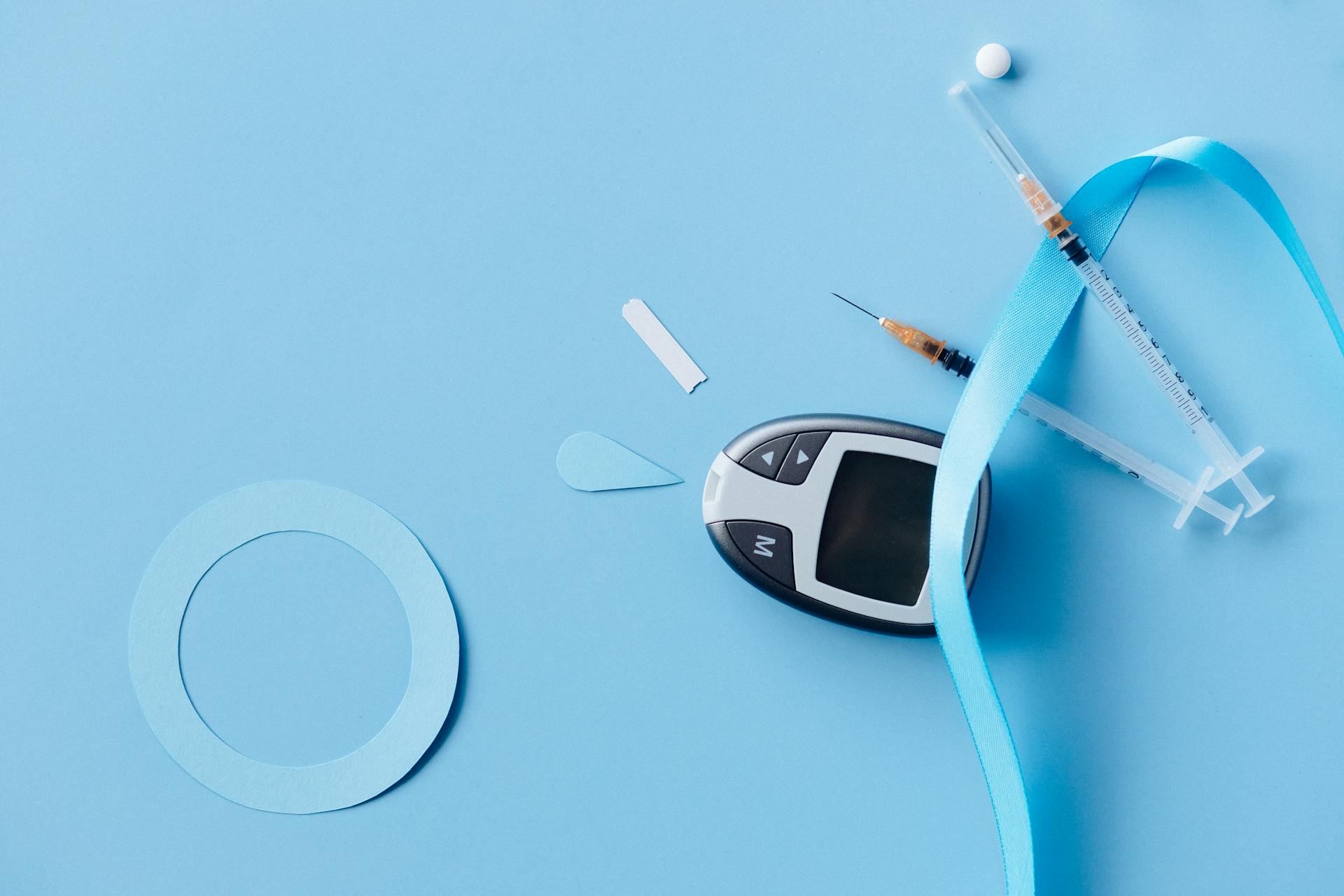
Medication and Insulin Therapy
- Insulin therapy is often the first choice if medication is required, as it’s safe for the baby.
- Oral medications, like metformin or glyburide, are sometimes prescribed, though insulin is preferred due to its safety profile in pregnancy.
Dietary Changes
- Eating a variety of foods to ensure both mother and baby receive essential nutrients.
- Focusing on whole grains, fruits, vegetables, and lean proteins to help control blood sugar levels.
- Limiting sugary foods and refined carbohydrates as can cause spikes in blood sugar.
- Monitoring carbohydrate intake to maintain stable blood sugar levels, often with the guidance of a dietitian.
Physical Activity
Regular, moderate exercise can help control blood sugar levels by improving insulin sensitivity. Recommended activities include walking, swimming, or prenatal yoga, aiming for at least 150 minutes of moderate-intensity weekly activity.
Monitoring Blood Sugar Levels
Regular monitoring helps in managing blood sugar levels effectively. Checking blood sugar levels multiple times a day, as advised by a healthcare provider, and keeping a log of these readings to discuss in appointments aids in adjusting the management plan as needed.
Postpartum Considerations
After the birth of the baby, women who experienced gestational diabetes during their pregnancy have specific considerations to keep in mind. Although gestational diabetes typically resolves after delivery, it does leave both the mother and the child with an increased risk for developing type 2 diabetes later in life.
Monitoring Blood Sugar after Birth
Blood sugar levels are typically checked 6 to 12 weeks postpartum to ensure normalisation, with continued monitoring as part of postpartum care.
Long-term Health Implications
- Women with gestational diabetes history face a higher type 2 diabetes risk, necessitating regular diabetes screenings every 1 to 3 years.
- Offsprings of mothers with gestational diabetes are at increased risk for obesity and type 2 diabetes, emphasising the importance of monitoring their health.
Lifestyle Modifications
Post-gestation, a healthy diet and regular exercise are key to preventing type 2 diabetes, with breastfeeding also recommended for its multiple health benefits.
Family Planning
Considering the risk of recurrent gestational diabetes, pre-pregnancy counselling is advised to discuss weight management and lifestyle adjustments.
Prevention and Early Intervention
Prevention and early intervention strategies are crucial for reducing the risk of gestational diabetes and enhancing maternal and fetal health. Adopting a healthy lifestyle, including maintaining a healthy weight, consuming a balanced diet, and engaging in regular physical activity, supports normal blood sugar levels and improves insulin sensitivity. Early blood sugar monitoring, first-trimester screening for high-risk individuals, and education about gestational diabetes further enable early detection and proactive management.
Conclusion
Gestational diabetes, while a common concern, can be navigated successfully with informed care and lifestyle choices. Early detection, proactive management, and postpartum follow-up are key to ensuring long-term health for both mother and child. By prioritising health and awareness, expectant mothers can mitigate risks and foster a healthy pregnancy outcome.