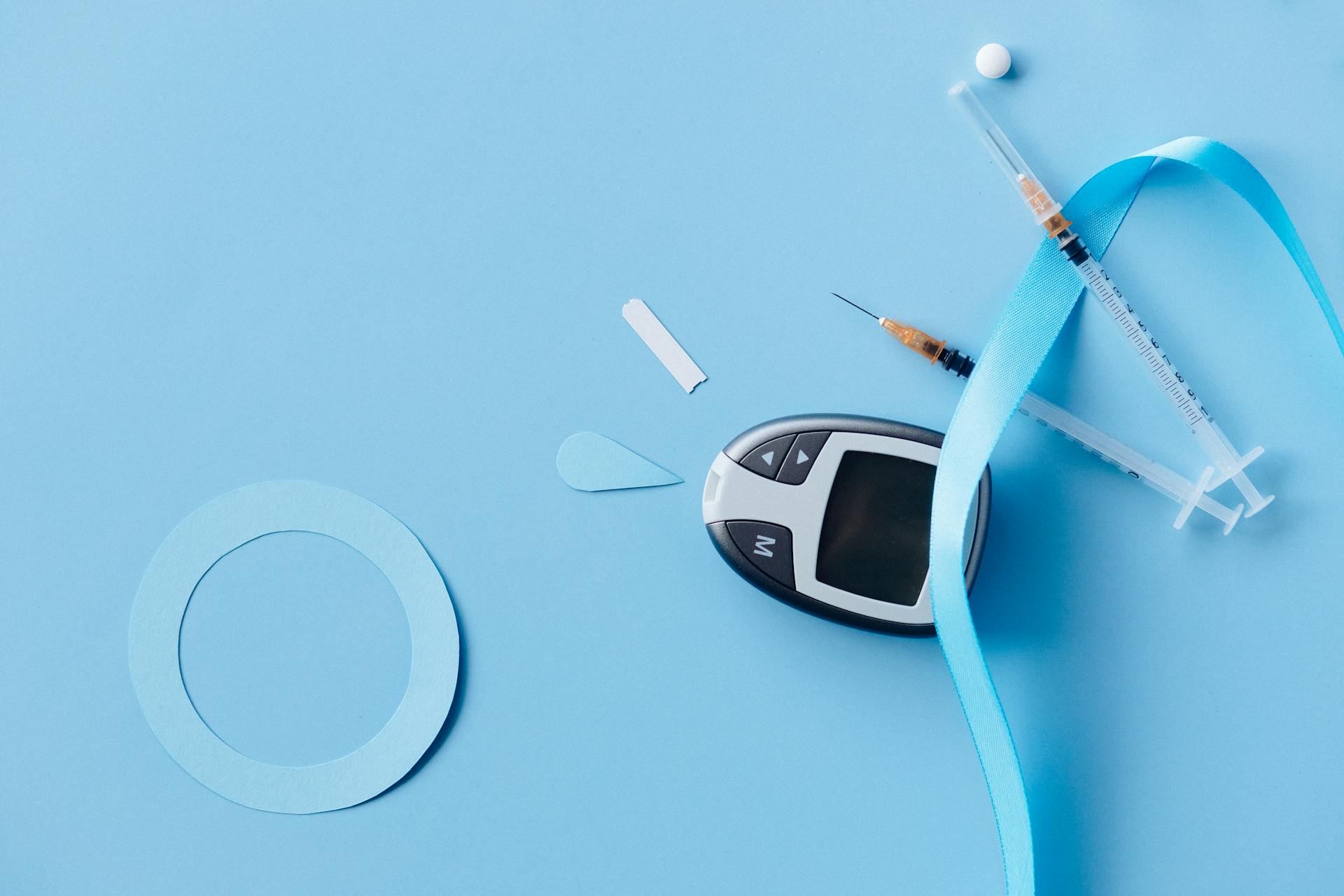
Introduction to Type 1 Diabetes
Type 1 diabetes is a chronic condition in which the pancreas produces little or no insulin, a hormone necessary for allowing glucose to enter cells and produce energy. Unlike type 2 diabetes, which can be linked to lifestyle factors, type 1 diabetes is often diagnosed in children and young adults and is not preventable. It requires lifelong management, including monitoring blood glucose levels, administering insulin, maintaining a balanced diet, and regular physical activity.
Understanding Type 1 Diabetes: Causes and Symptoms
Type 1 diabetes results from the immune system mistakenly attacking and destroying insulin-producing beta cells in the pancreas. This autoimmune response may be triggered by genetic and environmental factors, although the exact cause is not fully understood. Symptoms of type 1 diabetes can develop quickly and include:
- Increased thirst and frequent urination as excess glucose builds up in the bloodstream.
- Hunger, even after eating, is due to the inability of glucose to enter cells.
- Weight loss, despite eating more, because the body starts breaking down muscle and fat for energy.
- Fatigue, because of insufficient energy supply to the cells.
- Blurred vision, resulting from dehydration caused by high blood sugar levels.
- Mood changes, including irritability.
Treatment Options
Insulin Therapy
Insulin therapy is essential for all individuals with type 1 diabetes, as their bodies cannot produce insulin naturally. This treatment helps regulate blood sugar levels and is critical for survival.
Types of Insulin
- Rapid-acting insulin starts working within 15 minutes and lasts for 3 to 4 hours.
- Short-acting insulin takes effect within 30 minutes and lasts 6 to 8 hours.
- Intermediate-acting insulin covers insulin needs for about half the day or overnight, working within 1 to 2 hours and lasting 12 to 18 hours.
- Long-acting insulin works for up to 24 hours or longer, with a steady release, mimicking the body’s natural insulin release.
Insulin Delivery Methods
- Insulin injections are the most common method, requiring several shots throughout the day.
- Insulin pens provide more convenience and accuracy than traditional syringes.
- Insulin pumps deliver continuous insulin through a small tube inserted under the skin.
Monitoring Blood Glucose Levels
Regular monitoring of blood glucose levels is important for individuals with type 1 diabetes to manage their condition effectively. This practice helps to:
- Ensure blood glucose levels remain within a target range, which can reduce the risk of diabetes-related complications.
- Make informed decisions about insulin dosage, diet, and physical activity.
Monitoring methods include:
- Traditional blood glucose meters, where a small drop of blood, obtained by pricking the finger, is placed on a test strip inserted into the meter.
- Continuous glucose monitors (CGM), devices that provide real-time glucose readings through a small sensor placed under the skin, offering insights into glucose trends over time.
Diet and Nutrition
Diet for Type 1 Diabetes focuses on balancing insulin therapy with food intake to maintain blood glucose levels within the target range. Key considerations include:
Carbohydrate Counting
Understanding and counting the amount of carbohydrates in meals and snacks is vital, as carbs directly affect blood glucose levels. This knowledge helps in adjusting insulin doses accurately.
Healthy Eating Patterns
Incorporating a variety of nutrients in meals, including whole grains, lean proteins, healthy fats, and plenty of fruits and vegetables, supports overall health and aids in blood sugar management.
Meal Planning and Timing
Consistency in meal timing and portion sizes can help stabilise blood glucose levels. Coordinating meals and insulin administration enhances the effectiveness of blood glucose control.
Physical Activity
Incorporating a mix of aerobic, resistance, and flexibility exercises into the routine can optimise health benefits and blood glucose management.
- Improving insulin sensitivity: Exercise can help the body use insulin more efficiently, lowering blood glucose levels.
- Maintaining a healthy weight: This is crucial for managing diabetes and reducing the risk of complications.
Individuals with type 1 diabetes should:
- Monitor blood glucose levels before, during, and after exercise to prevent hypoglycemia (low blood sugar).
- Adjust food intake and insulin doses as needed, based on the intensity and duration of the physical activity.
Emerging Treatments and Technologies
Advancements in treatments and technologies are transforming the management of type 1 diabetes, offering new ways to monitor and control blood glucose levels more effectively and conveniently.
Continuous Glucose Monitors (CGM)
CGMs provide real-time insights into glucose levels, trends, and patterns, allowing for more precise adjustments to therapy. They reduce the need for finger-prick blood tests and can alert users to potential hypoglycemia or hyperglycemia.
Pancreas and Islet Cell Transplantation
These procedures offer potential long-term solutions for achieving insulin independence. A pancreas transplant is a major surgery typically reserved for those with serious diabetes complications. Islet cell transplantation involves transferring insulin-producing cells into the liver, although it’s still experimental and not widely available.
Adjunctive Medications
Beyond insulin, there are adjunctive medications that can be used to enhance blood glucose control in individuals with type 1 diabetes. These include:
- SGLT2 inhibitors and GLP-1 receptor agonists: Though more commonly used in type 2 diabetes, these medications have shown benefits in some type 1 diabetes cases by improving blood sugar control and promoting weight loss. However, their use must be carefully considered due to the risk of diabetic ketoacidosis.
Conclusion
Effective management of type 1 diabetes requires a comprehensive and personalised approach. Embracing the latest advancements in treatment and technology, alongside traditional methods of blood glucose control, can greatly enhance quality of life.