Introduction to Type 2 Diabetes
Type 2 diabetes is a chronic condition that impairs the body’s ability to use insulin effectively, leading to elevated blood glucose levels. It develops gradually, often without noticeable symptoms, until it becomes significant. Early detection and management are vital to prevent complications and necessitate a comprehensive treatment approach.
Understanding Type 2 Diabetes: Causes, Symptoms, and Potential Complications
Causes
Insulin resistance, often triggered by excess body weight, sedentary lifestyle, and genetic factors, leads to the body’s diminished ability to respond to insulin. This inefficiency in insulin use complicates the regulation of blood sugar levels, setting the stage for the development of type 2 diabetes.
Symptoms
Slowly developing signs such as:
- Frequent urination
- Increased thirst
- Heightened hunger
- Fatigue
- Blurred vision
- Slow healing of wounds
Potential Complications if left Untreated
- Cardiovascular Diseases: Increased risk of heart attack and stroke.
- Nerve Damage (Neuropathy): This leads to numbness and pain in the extremities.
- Kidney Damage (Nephropathy): Potentially requiring dialysis.
- Eye Damage (Retinopathy): Can result in blindness.
- Increased Risk of Infection: Slow healing of wounds.
Treatment Options for Type 2 Diabetes
Lifestyle Modifications
The foundation of type 2 diabetes management begins with lifestyle changes to improve overall health and control blood sugar levels. Modifications include:
Healthy Eating
- Focus on a diet emphasising fruits, vegetables, whole grains, and lean proteins.
- Limit intake of processed foods, sweets, and foods high in saturated fats.
Regular Exercise
- Engage in at least 150 minutes of moderate aerobic activity or 75 minutes of vigorous exercise each week.
- Incorporate resistance training exercises twice a week.
Weight Loss
- Aiming to lose 5% to 10% of body weight can dramatically improve blood sugar control.
- Weight loss can be achieved through a combination of diet and exercise.
Smoking Cessation
Quitting smoking can improve heart and lung health, which is crucial for individuals with type 2 diabetes.
Oral Medications
Metformin
Often, the first medication is prescribed for type 2 diabetes. It works by improving the body’s sensitivity to insulin and reducing the amount of glucose produced by the liver.
Sulfonylureas
Sulfonylureas like glipizide, gliclazide, and glimepiride stimulate the pancreas to produce more insulin.
DPP-4 Inhibitors
Inhibitors like sitagliptin and linagliptin help increase insulin production when needed and reduce the amount of glucose the liver produces.
SGLT2 Inhibitors
Dapagliflozin, and empagliflozin help the kidneys remove glucose from the bloodstream through urine.
Insulin Therapy
For some individuals with type 2 diabetes, insulin therapy may be necessary to maintain blood glucose levels within the target range. Insulin therapy is often introduced when oral medications are no longer sufficient to control blood sugar effectively. It can be used alone or in combination with other treatments.
Types of Insulin
- Rapid-acting insulin: Starts working within 15 minutes and lasts for 3 to 4 hours.
- Short-acting insulin: This takes effect within 30 minutes and lasts 6 to 8 hours.
- Intermediate-acting insulin: Begins working within 1 to 2 hours and lasts 12 to 18 hours.
- Long-acting insulin: This takes effect several hours after injection and lasts up to 24 hours or more.
Administration
- Insulin is typically administered through injections or an insulin pump.
- The dosage and timing of insulin are customised based on individual needs, eating habits, and blood sugar levels.
Monitoring and Managing Blood Sugar Levels
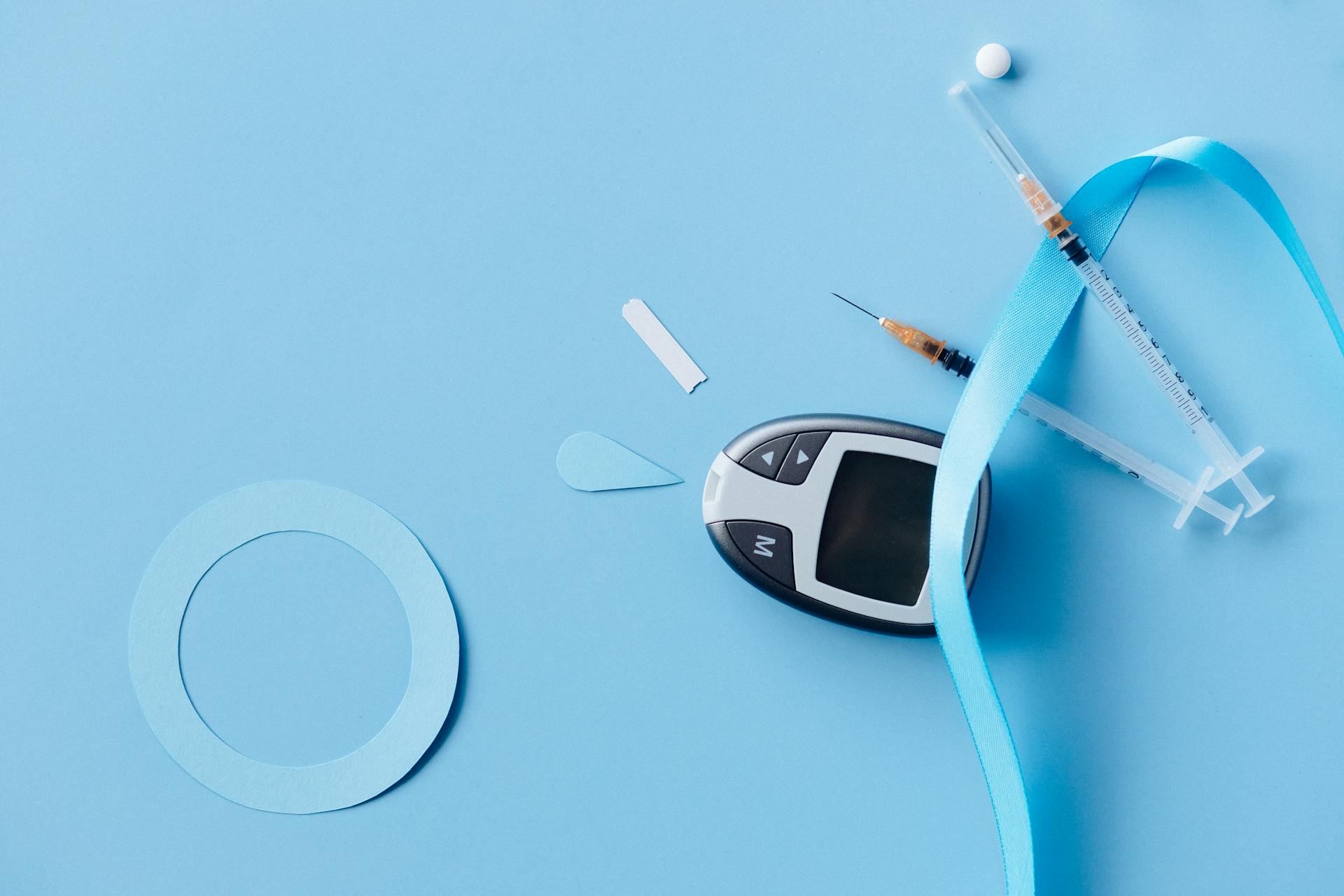
This process helps individuals understand the impact of their lifestyle choices and medication on their blood sugar levels, enabling them to make informed decisions about their health. Regular blood sugar monitoring, using a home glucose monitor or continuous glucose monitoring (CGM) systems, provides immediate feedback on glucose levels throughout the day.
This data allows for timely adjustments to diet, exercise, and medication to prevent both high (hyperglycemia) and low (hypoglycemia) blood sugar levels. Additionally, healthcare providers use this information to tailor treatment plans, ensuring they are effective and adjusted to the patient’s needs.
Other Injectable Medications
For individuals whose type 2 diabetes is not adequately managed with oral medications and lifestyle changes, additional injectable medications can assist in their treatment regimen. These include:
GLP-1 Receptor Agonists
These medications, such as exenatide, liraglutide, dulaglutide and semaglutide (Rybelsus and Ozempic), mimic incretin hormones that stimulate insulin release post-meal, slow down glucose absorption and decrease appetite. They aid in blood sugar control and may contribute to weight loss.
These injectable options provide alternative mechanisms to control blood sugar levels and are considered when a comprehensive approach is required for diabetes management. The selection of these medications is highly individualised, based on the patient’s health profile, preferences, and specific treatment objectives.
Conclusion
Efficient management of type 2 diabetes is a dynamic process that evolves with advancements in medical research and personal health status. By embracing a proactive approach towards health management, individuals can navigate the challenges of diabetes with confidence. Personal commitment to managing diabetes, guided by the expertise of healthcare professionals, is key to enhancing life quality and minimising the risk of complications.